
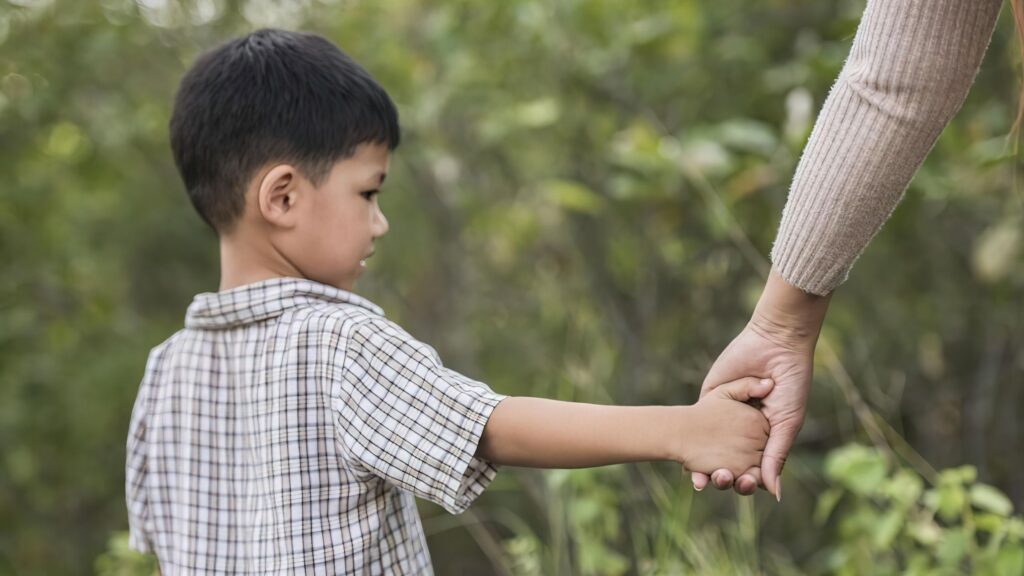
Child safety is a shared responsibility for families, schools, and communities. Protecting children from harm, neglect, and abuse requires constant attention and care from responsible adults. Children spend time in many environments such as homes, schools, playgrounds, and community spaces, and child safety must be protected in each of these places. Because children are still learning about the world, they often depend on adults to guide them and keep them safe. When adults actively focus on child safety, they help reduce the risk of abuse and unsafe situations. Safe environments, supportive relationships, and clear guidance all strengthen safety and help children grow with confidence and security. By understanding how to create protective spaces, provide supervision, teach awareness, encourage communication, and build community support, adults can help ensure strong safety in every environment.
1. Create Safe and Protective Environments
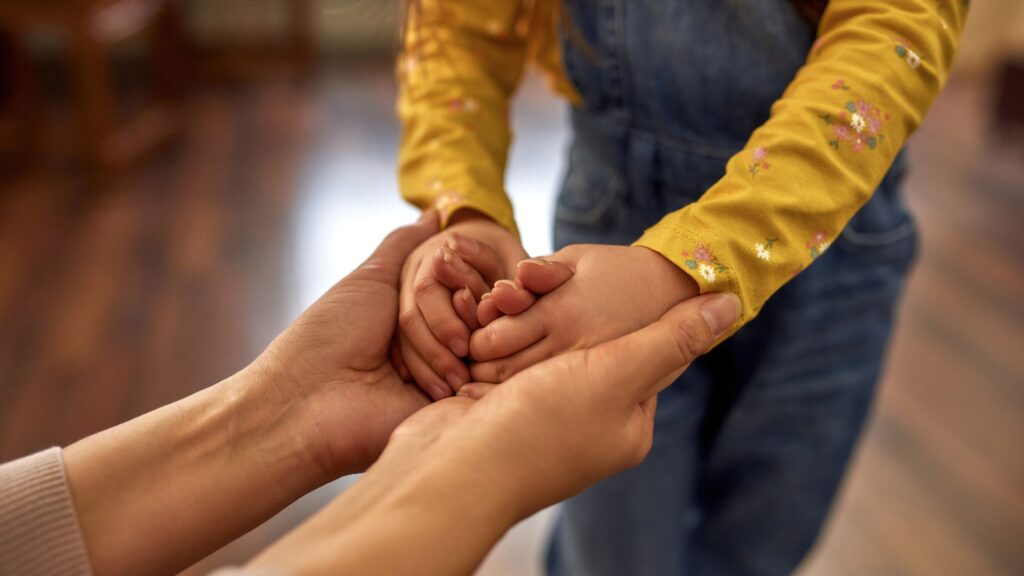
Creating safe environments is one of the most important steps in protecting child safety and preventing abuse. Homes, schools, and community spaces should be designed in ways that protect children from harm and limit opportunities for unsafe situations. Adults responsible for children must ensure that areas where children live, learn, and play are carefully monitored and organized. Clear rules about respectful behavior and proper boundaries between adults and children help strengthen safety.
Regular safety checks are also important for maintaining child safety. Adults should examine spaces where children spend time and identify any risks that could threaten their well-being. Unsafe environments, lack of supervision, or poorly managed spaces can increase the chances of neglect or abuse. Maintaining secure spaces, controlled access to certain areas, and responsible monitoring of interactions all help protect.
Safe environments also support emotional protection. Children should feel comfortable and respected in the places where they spend time. When environments promote respect, care, and responsible behavior, they support strong safety and reduce the chances of harmful experiences.
2. Maintain Active Supervision and Awareness
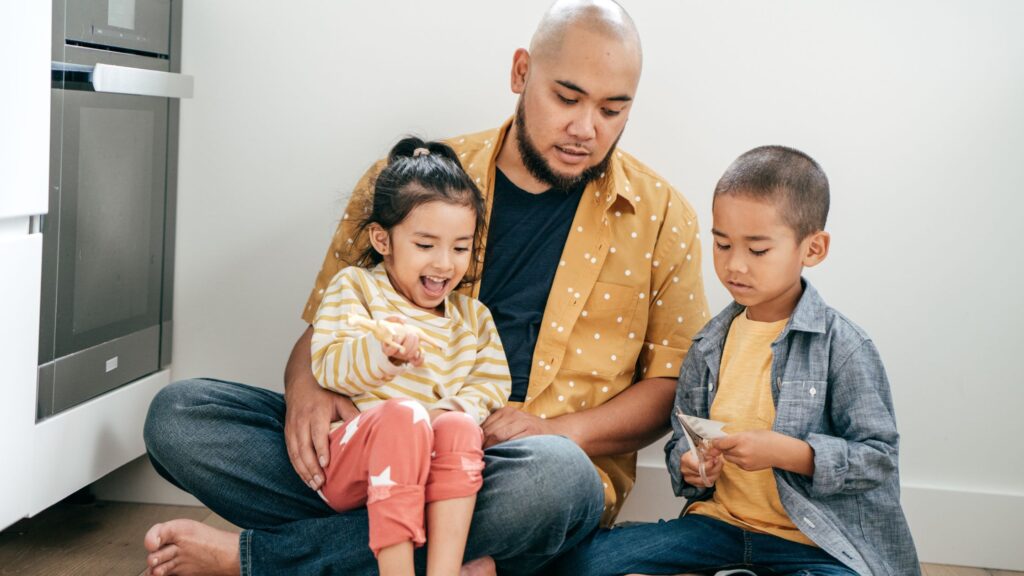
Active supervision is a key part of protecting child safety. Children often explore their surroundings with curiosity, and they may not always recognize when a situation is unsafe. Because of this, adults must remain attentive and aware of children’s activities and interactions. Careful supervision helps ensure that safety is protected at all times.
Supervision also helps adults notice warning signs that may affect safety. Changes in behavior, emotional withdrawal, or sudden fear around certain people may indicate that a child is experiencing stress or harm. When adults stay alert and aware, they are more likely to recognize these signs early and take steps to protect safety.
Active supervision does not only mean being physically present. It also involves paying close attention to children’s emotional well-being and social interactions. Responsible adults who remain engaged and observant strengthen child safety and help prevent situations where abuse or neglect could occur.
Also Read: 5 Ways to Create a Culture of Care and Safety for Every Child
3. Teach Children Awareness and Personal Boundaries

Education plays a strong role in protecting child. Teaching children about personal boundaries and safe behavior helps them understand how to protect themselves in different environments. Children should learn that their bodies deserve respect and that they have the right to feel safe and protected.
Learning about boundaries also helps children recognize when a situation may threaten safety. When children understand safe and unsafe behaviors, they become more aware of their surroundings and the actions of others. This awareness supports child safety by encouraging children to speak to trusted adults when something feels wrong.
Teaching children about safety should always be done in a calm and supportive way. Age-appropriate discussions about respect, privacy, and protection help children develop confidence and awareness. When adults consistently reinforce these lessons, they strengthen child safety and help children build important life skills.
4. Encourage Open Communication and Trust

Open communication is essential for maintaining strong safety. Children should feel comfortable talking to trusted adults about their experiences, emotions, and concerns. When communication is open and supportive, children are more likely to report situations that may threaten child.
Adults can encourage communication by listening carefully and responding with patience and understanding. When children feel respected and heard, they develop trust in the adults around them. This trust is important for safety because it allows children to speak freely if they feel uncomfortable or unsafe.
Strong communication also helps adults notice emotional changes that may signal problems affecting child safety. When caregivers regularly talk with children and pay attention to their feelings, they are more likely to recognize signs of stress or fear. These conversations strengthen relationships and create a protective environment that supports child safety.
5. Strengthen Community Responsibility for Child Safety

Protecting child requires support from the entire community. Families, schools, healthcare providers, and community organizations must work together to create systems that prevent abuse and protect children. When communities actively promote awareness and responsibility, they build stronger protections for child.
Community education programs help adults understand how to recognize risks and respond appropriately. Training programs for teachers, caregivers, and community leaders strengthen child safety by providing guidance on how to protect children from harm. When people understand their role in protecting children, they become more attentive to situations that may threaten child safety.
Collaboration between families and community organizations also improves the ability to respond quickly if concerns about child safety arise. A connected network of responsible adults creates a stronger protective system. When communities work together with a shared commitment to child safety, they create safer environments for children everywhere.
Conclusion
Protecting child safety in every environment requires consistent effort, awareness, and cooperation from families, professionals, and communities. Safe environments, active supervision, safety education, open communication, and strong community responsibility all work together to strengthen child safety and prevent abuse. When adults remain attentive and committed to protection, they create systems that support children’s well-being and development.
Strong child safety practices help children feel protected, respected, and valued in their daily lives. When children grow in environments that prioritize child, they develop confidence and emotional stability. By continuing to promote awareness, responsibility, and cooperation, communities can ensure that safety remains a priority and that children are protected in every environment where they live, learn, and grow.