
Teaching children about personal safety is one of the most valuable lessons you can give them. Children learn quickly when guidance comes from trust and consistency. They need clear direction on how to recognize danger, protect themselves, and ask for help. When you introduce these lessons early, you help them grow with awareness and confidence. Here are six practical ways to teach children about personal safety in everyday life.
1. Start Early and Keep It Simple
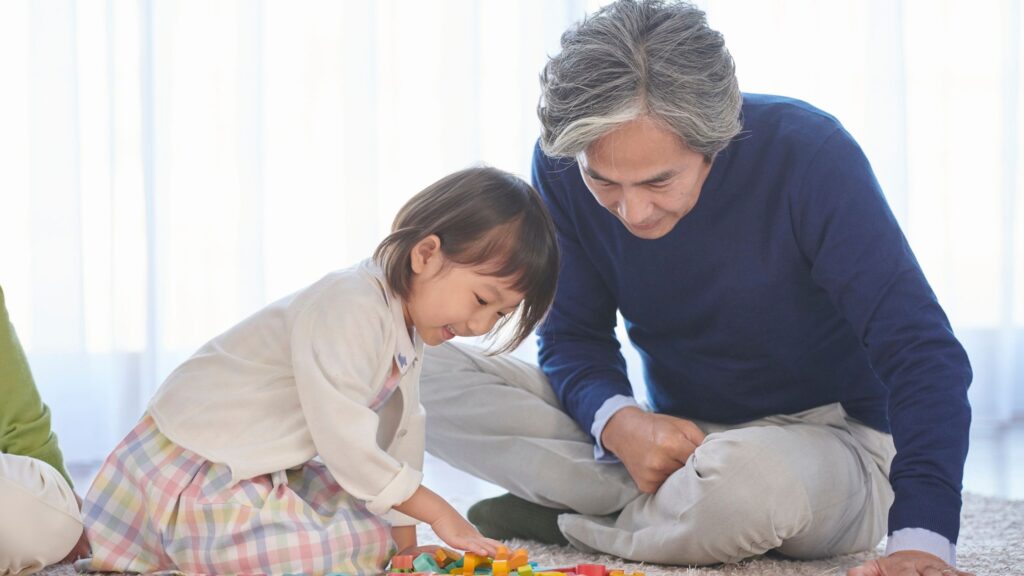
Children begin to understand personal safety from a young age. You don’t need complex talks; short, clear messages work better. Begin by teaching them basic boundaries. Explain that their body belongs to them and that no one has the right to touch them in ways that make them uncomfortable.
Use simple language: “If someone touches you and you don’t like it, say no and tell me right away.” When you use words they understand, they feel safe asking questions.
Make conversations about safety part of normal life. For example, while walking to school, talk about safe routes, trusted adults, and what to do if they get lost. Early and regular talks build a foundation for strong personal safety habits.
2. Teach the Difference Between Safe and Unsafe Touch

Many children do not understand what kind of touch is okay and what isn’t. Teaching this difference is central to personal safety. Safe touch includes things that make them feel loved or cared for, like a hug from family. Unsafe touch causes fear, pain, or discomfort.
You can use everyday examples to explain this clearly. For instance, if a doctor needs to examine them, the parent should be present. If anyone asks them to keep a touch a secret, they should tell a trusted adult immediately.
Reinforce the idea that they are never to blame for someone else’s actions. Children who know these boundaries are better prepared to protect themselves and speak up. This understanding becomes a key part of lifelong personal safety.
3. Encourage Open Communication
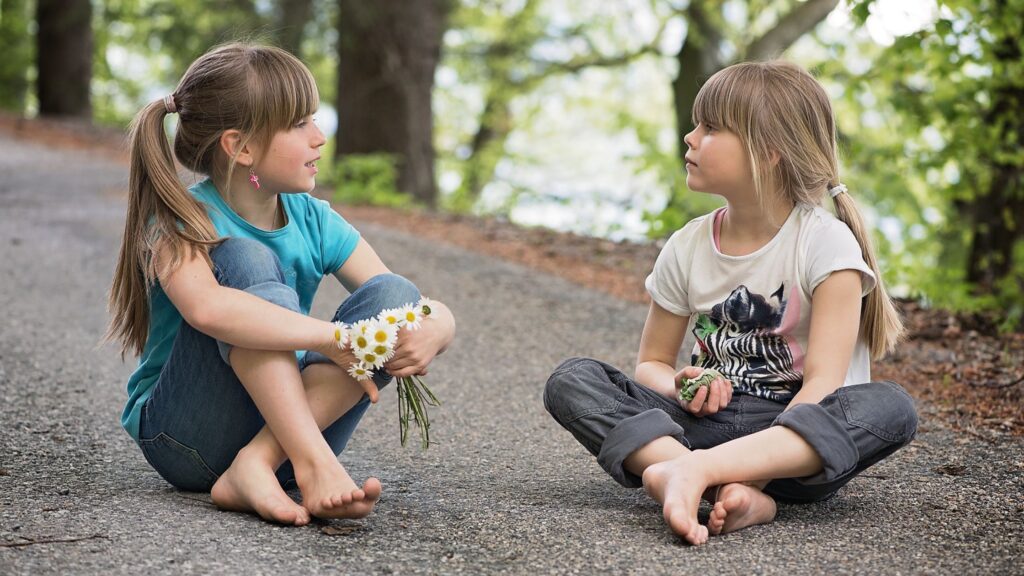
Children feel safer when they know they can talk to you about anything. Open communication is the heart of personal safety education. Create an environment where your child can share feelings without fear of judgment.
Also Read: 7 Tips for Keeping Children Safe at Home and School
Ask questions in gentle ways. Instead of “Did something bad happen?” try “Did anything today make you feel strange or uncomfortable?” This approach helps children express what they might not know how to describe.
One parent once shared how her daughter told her about an uncomfortable situation at school only because she felt safe talking about emotions at home. That open line of communication protected her before harm could occur. Keeping that door open builds trust and strengthens personal safety awareness.
4. Teach Them to Identify Trusted Adults

Children need to know who they can turn to in uncomfortable or unsafe situations. Help them identify at least three trusted adults, people they can go to when they feel unsafe or scared. These may include a teacher, grandparent, neighbor, or family friend.
Role-play real-life scenarios. Ask, “If you feel unsafe at school, who can you talk to?” or “If someone follows you on the way home, where will you go?” These exercises make personal safety lessons real and memorable.
Remind them that trusted adults never ask children to keep secrets or do things that cause fear. Encourage them to check with you if they ever feel unsure about someone’s behavior. Building awareness of safe adults strengthens a child’s confidence in handling risky situations and reinforces their personal safety network.
5. Use Real-Life Situations to Teach Awareness
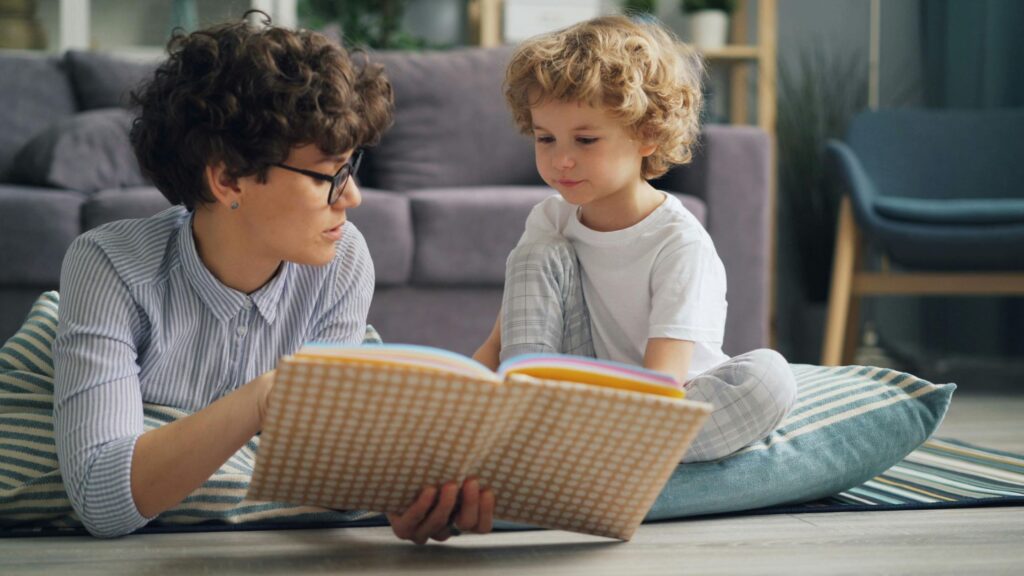
Children learn best from examples they can see or imagine. Use real-life scenarios to explain how personal safety works. For instance, when walking outside, teach them to stay aware of their surroundings. Point out safe places like police stations or shops where they can seek help.
You can also talk about online interactions. Explain that personal safety extends to the internet too. Teach them never to share personal details or photos with strangers online and to tell you if someone makes them feel uneasy.
Repetition builds understanding. Every small situation, a trip to the park, a conversation with a new person can be a chance to remind them of safe habits. With regular practice, children start recognizing potential risks and responding calmly. This awareness forms the backbone of effective personal safety education.
6. Build Confidence Through Practice and Praise

Confidence is a powerful shield for children. When they feel confident, they’re more likely to act decisively in unsafe situations. Practice personal safety skills through role-play. Pretend to be a stranger asking for help or offering a ride, and guide your child on how to say no firmly and move away.
Praise their efforts. When a child practices saying “no,” thank them for being brave. Reinforce that standing up for themselves is right and safe. Confidence doesn’t mean fearlessness, it means trusting their instincts.
For example, a parent shared how her son confidently walked away when a stranger asked him for directions near a park. His calm reaction came from repeated practice and clear understanding of personal safety rules. The more you practice, the more automatic these responses become for your child.
Building a Safe Future
Teaching personal safety is not a one-time lesson, it’s an ongoing conversation. Children change as they grow, and so do the risks they face. Continue updating your discussions as they enter new stages of life, from school to online spaces.
When you keep communication open and reinforce lessons regularly, safety becomes second nature. You teach your child to trust their instincts, respect their boundaries, and speak up when something feels wrong.
Every time you talk, listen, and guide, you strengthen their ability to protect themselves and others. Small, consistent lessons today will build a confident and aware adult tomorrow.
Children who understand personal safety grow with self-awareness and courage. They learn to value their well-being and stand up for what feels right. That awareness can change their lives and sometimes, even save them.