

Children face risks every day, both at home and at school. You can take practical steps to reduce these risks and create a safer environment for them. Safety does not happen by chance. You need to plan, observe, and act consistently. The following tips focus on actionable steps you can implement today.
1. Teach Children About Personal Boundaries

Children need to understand that their bodies belong to them. You should explain that no one has the right to touch them in ways that make them uncomfortable. Role-play can help. For example, you can act out situations where a child says no and walks away. Teach them to tell a trusted adult if someone crosses their boundaries. Children who know how to protect themselves are less likely to become victims of abuse.
At home, encourage them to speak up if a relative or friend makes them uncomfortable. At school, make sure they know which staff members are safe to approach for help. Reinforce this knowledge regularly through conversations and scenarios.
2. Establish Clear Rules for Technology Use

Children use phones, tablets, and computers more than ever. Unrestricted access can expose them to online threats, bullying, and unsafe content. You need to set rules for internet use and monitor their online activity.
For instance, you can agree that devices remain in shared areas of the home during the evening. Use parental controls to block unsafe sites. Talk to your children about online strangers and teach them never to share personal information. At school, check that staff enforce safe internet practices. Schools often have policies for cyberbullying and safe browsing. Make sure your child understands these rules.
3. Keep Dangerous Items Out of Reach

Accidents happen when children find dangerous objects such as knives, cleaning products, or firearms. You must store these items securely. Lock cabinets and drawers that contain chemicals or sharp tools. If you have firearms, keep them unloaded and locked with ammunition stored separately.
Also Read: 5 Child Protection Lessons Every Parent Should Teach Early
Show your children that some items are off-limits and explain why. Make them aware that curiosity can lead to injuries. In schools, administrators should maintain secure storage for cleaning supplies, science lab materials, and sports equipment. Regularly check that locks work and that hazardous items are inaccessible.
4. Teach Emergency Procedures
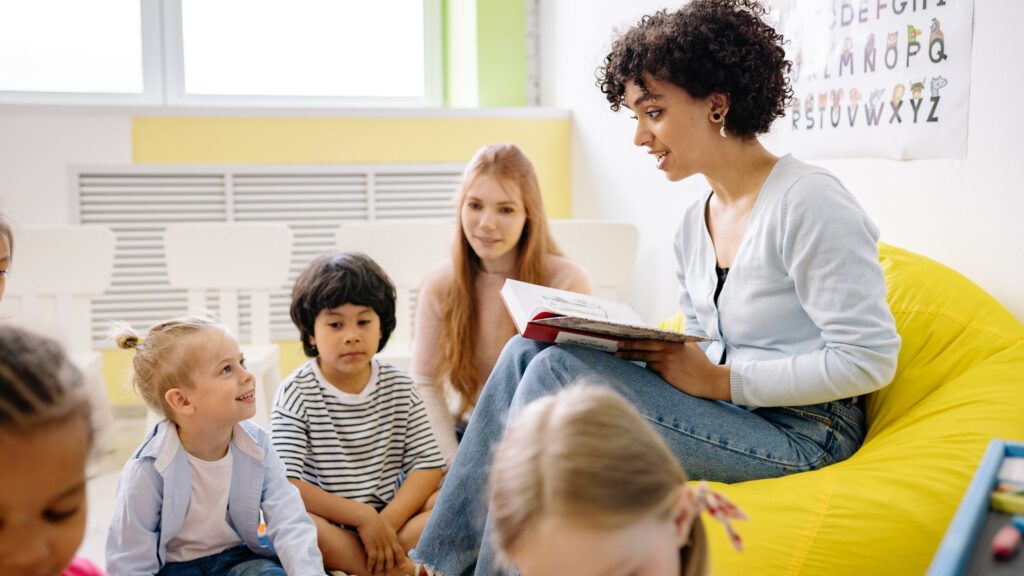
Children should know what to do in emergencies. You need to practice fire drills, earthquake responses, and other emergency plans at home. Show them how to exit the building safely and where to meet afterward. Give them simple instructions they can remember under stress.
At school, ask administrators how often drills occur and whether your child participates. Encourage your child to memorize emergency contact numbers, including local authorities and family members. Practicing these steps frequently reduces panic and helps children respond effectively when real emergencies occur.
5. Build a Network of Trusted Adults
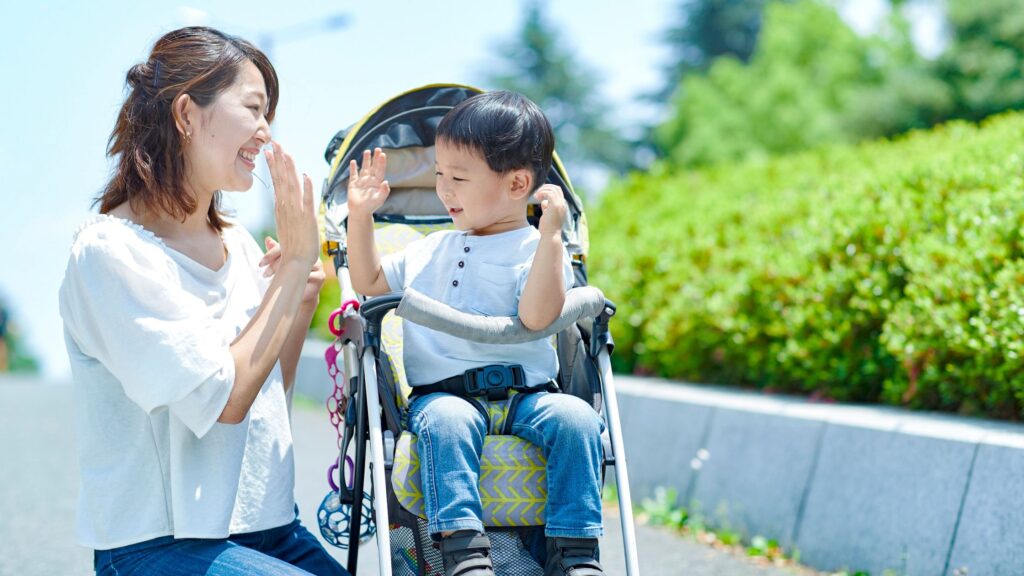
Children should have a circle of adults they can approach when they feel unsafe. You need to help your child identify these people, including family members, neighbors, teachers, or school counselors.
Discuss scenarios such as bullying, inappropriate touch, or threats from strangers. Explain who they should contact and how to describe situations clearly. At home, role-play how to call for help. At school, make sure they understand that teachers and counselors are available to support them. Having trusted adults reduces fear and encourages children to report problems quickly.
6. Monitor Behavior and Emotional Changes

Children often show signs when they face danger or stress. You need to observe changes in behavior, mood, or routines. Sudden withdrawal, fear of specific places, or aggression can indicate problems.
Talk to your child about their day and listen carefully to what they share. Avoid judgment or criticism, and focus on understanding their experience. At school, teachers should report unusual behavior to parents or counselors. If you notice consistent changes, ask professionals such as pediatricians or child psychologists for guidance. Early detection allows you to address issues before they escalate.
7. Maintain Open Communication

Regular conversation is essential for child protection. You need to create an environment where children feel comfortable sharing concerns without fear of punishment. Ask specific questions about their friends, activities, and feelings.
At home, set aside time daily or weekly to check in. Encourage them to speak freely about any discomfort or danger they encounter. At school, ensure your child knows how to report problems to staff members. Open communication fosters trust, making it easier for children to seek help when necessary.
Putting Safety Into Practice
Safety requires consistent action from both parents and school staff. You cannot rely solely on rules or instructions. Observing, discussing, and practicing safety measures strengthens children’s ability to protect themselves. When children feel supported and informed, they respond better to risks and challenges.
For example, teaching a child to say no to inappropriate touch, reinforcing safe internet habits, and showing how to call for help in an emergency creates practical skills. Storing dangerous items securely and monitoring behavior prevents accidents. By combining these steps, you create an environment where children can learn, play, and grow with confidence.
Schools play a key role. Teachers, counselors, and administrators need to maintain clear policies, monitor environments, and provide resources. Communication between parents and schools ensures that children have consistent guidance and protection across settings.
At home, make safety routines part of daily life. Review online activity together, practice drills, and check storage of hazardous items. Ask children about their day and listen carefully. These actions may feel small, but they reinforce the message that safety matters and that children have trusted adults to guide them.