
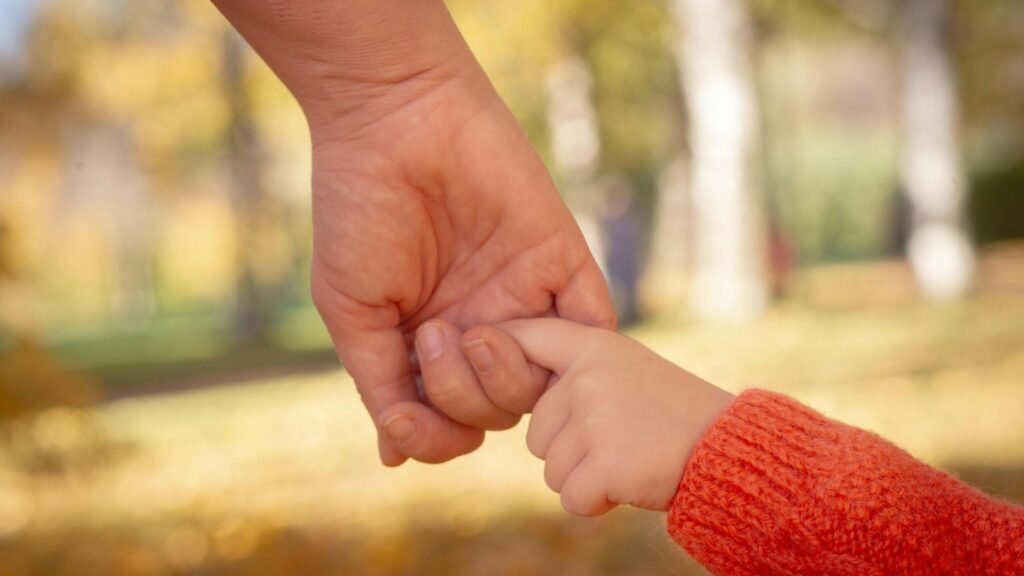
Creating a world of safety and care for children begins with small, consistent actions from adults, parents, teachers, caregivers, and community members. Every child deserves to grow up in an environment where they feel valued, protected, and loved. Building a culture of care and safety means more than preventing harm; it means nurturing trust, respect, and open communication. By working together, families and communities can help children feel secure and supported at every stage of their lives.
1. Build Trust Through Honest and Safe Communication

Trust is the foundation of every relationship rooted in safety. Children need to know that the adults around them will listen, believe them, and support them. When adults take time to talk openly with children and answer their questions honestly, it helps them feel secure and respected.
Parents and caregivers can strengthen safety and trust by setting aside regular time for open conversations, during meals, playtime, or bedtime. Ask children how they feel, what made them happy, or what worried them during the day. Listen carefully and avoid judging or interrupting. When a child feels safe to share, they learn that their thoughts and feelings matter.
Simple actions like keeping promises, admitting mistakes, and speaking kindly also help build trust. A child who trusts the adults around them is more likely to seek help when something feels wrong, making communication one of the most important tools for emotional safety.
2. Teach Boundaries and Respect to Build Safety Awareness

Teaching children about personal boundaries is a key part of promoting safety. Children should understand that their body belongs to them and that they have the right to say no if something makes them uncomfortable. These lessons should begin early in life and be reinforced in age-appropriate ways as the child grows.
Caregivers can model safety and respect by asking for permission before hugging or touching a child and by teaching them to do the same with others. Explain that good touch, bad touch, and secret touch are different, and that they can always tell a trusted adult if something feels wrong.
Respect also goes both ways. When children learn to respect others’ boundaries, they develop empathy and kindness, values that help create caring, safe communities. A culture that encourages respect protects not only one child but promotes safety for all children.
Read More: 6 Ways to Teach Children About Personal Safety
3. Create Safe Spaces at Home, School, and in the Community

A safe space is one where safety is felt emotionally and physically. Children should feel seen, heard, and supported without fear of judgment or punishment. At home, this can mean setting clear routines, offering comfort when mistakes happen, and showing patience when children struggle. In schools, safe spaces might include classrooms where students can express feelings, counselors who listen, and teachers who notice when a child seems withdrawn or upset.
Communities also play a vital role in safety. Neighborhood programs, youth clubs, and child-friendly centers can provide children with positive spaces for growth. When adults work together, through schools, healthcare systems, and local organizations, they help ensure that no child faces danger or isolation alone.
Creating safe spaces is about more than protection, it’s about emotional safety, helping children know their voices matter and that they can always find help when they need it.
4. Educate Adults and Children About Safety and Awareness
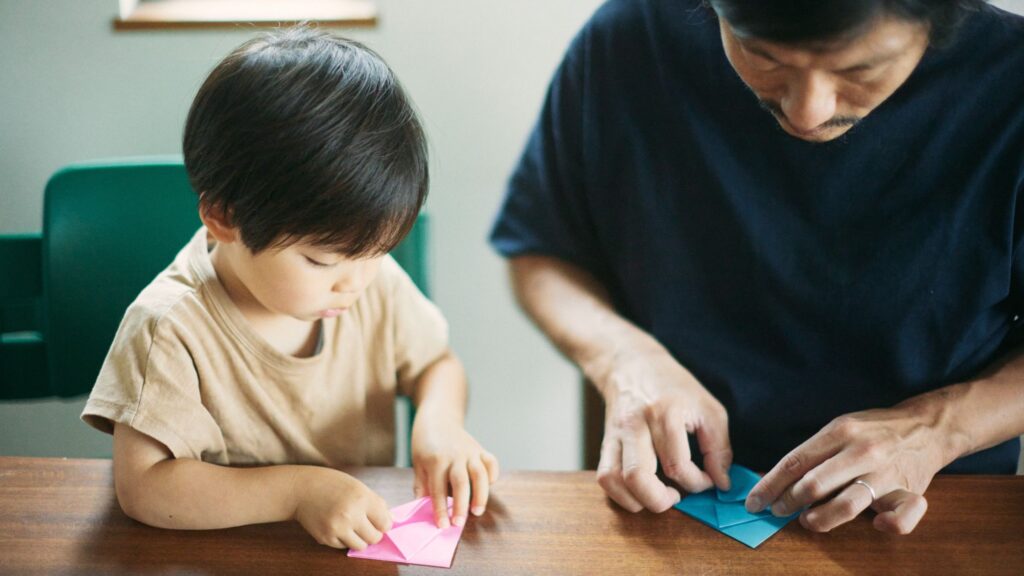
Knowledge is one of the strongest tools for building safety. Both children and adults should understand what a safe environment looks like, how to recognize warning signs of abuse, and how to seek help when something feels wrong. Many cases of harm can be prevented when people know what to look for and how to respond calmly and responsibly.
For children, safety education can be introduced through stories, role-play, and classroom lessons about trust and decision-making. They can learn simple steps like staying near trusted adults, using safe words, or calling for help in emergencies.
For adults, awareness training can help teachers, coaches, and caregivers identify subtle signs of distress, such as sudden behavior changes, fearfulness, or withdrawal. Learning how to report concerns responsibly ensures safety for every child. When awareness becomes part of daily life, communities grow stronger and safer.
5. Lead by Example and Promote Safety Through Empathy

Children learn more about safety and care from what they see than from what they are told. When adults show kindness, patience, and respect, children naturally absorb those lessons. Leading by example is one of the simplest yet most powerful ways to promote a culture of safety and compassion.
Empathy, the ability to understand another’s feelings, is central to this process. When children see adults helping others, listening with compassion, and resolving conflicts peacefully, they learn to treat people with care and respect. This builds emotional safety and reduces fear, bullying, and isolation.
Encouraging empathy can be as simple as talking about feelings, reading stories about kindness, or supporting community projects. These small actions teach children that caring for others is just as important as protecting themselves. Over time, empathy turns into responsibility, helping create a society that values safety for all.
Conclusion
Creating a culture of care and safety for every child is a shared responsibility. It begins in families and grows through schools, communities, and society. When adults communicate honestly, teach boundaries, create safe spaces, promote education, and model empathy, children grow up stronger, more confident, and more protected.
A world built on safety and care is one where every child can thrive, free from fear, surrounded by trust, and supported by a network of compassionate adults. By taking these five steps, we can help build that world together, one child, one family, and one community at a time.