
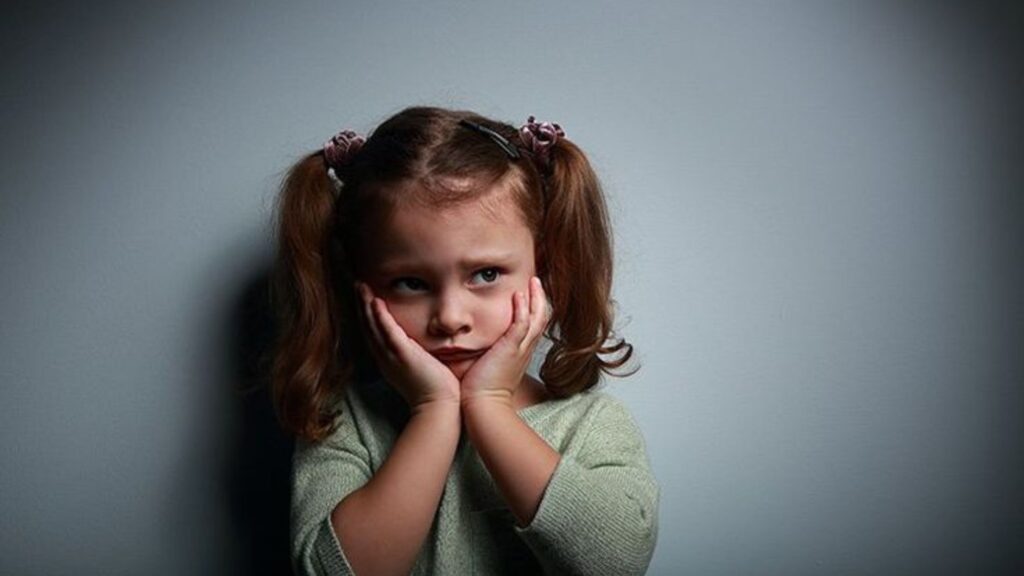
Every child deserves to grow up in a safe and caring environment. Protecting children from child abuse starts with being able to recognize when something is wrong. Many times, abuse goes unnoticed because the warning signs are misunderstood or overlooked. By paying attention to the changes in behavior, emotions, and physical health of children around you, you can make a real difference. Here are five warning signs you should not ignore.
1. Sudden Changes in Behavior
Children usually show their emotions through actions before they can put them into words. If you see a child suddenly becoming withdrawn, unusually quiet, or losing interest in activities they once enjoyed, this could be a signal that something is troubling them. On the other side, sudden aggression, irritability, or unexplained anger can also point to deeper problems. These shifts in behavior are often linked to deeper issues such as child abuse, so you should pay close attention and ask gentle, supportive questions without pressure.
Such changes are often the first signs that a child is struggling in silence. Noticing them early gives you a chance to step in and provide comfort before the situation worsens.
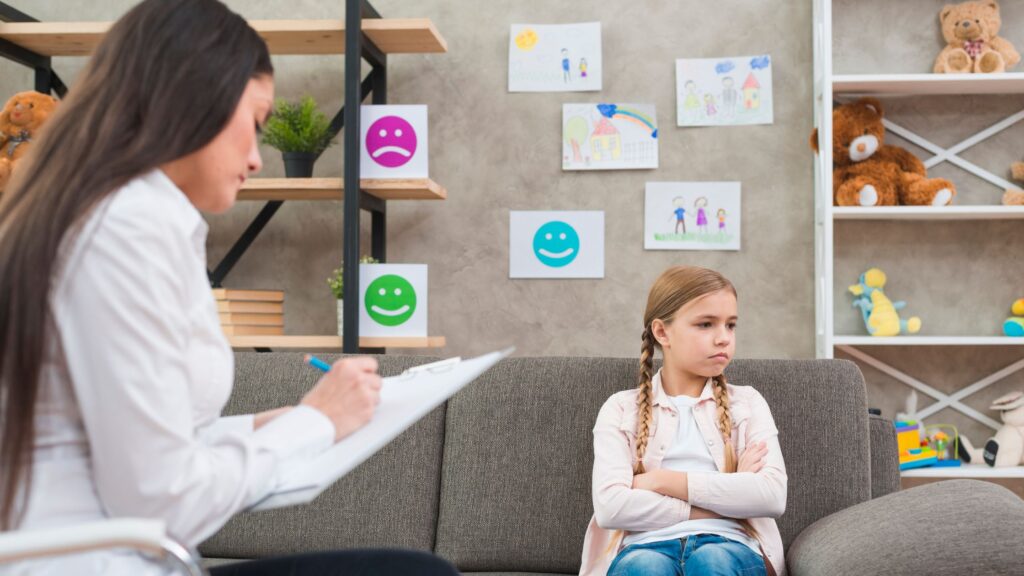
2. Unexplained Injuries
Accidents happen, but repeated injuries without a clear explanation can be a serious warning sign. Bruises, burns, or marks that appear in patterns or on unusual parts of the body should raise concern. If a child often gives different stories about how they got hurt, or avoids answering altogether, this may suggest they are hiding something. You don’t need to jump to conclusions, but you should treat repeated unexplained injuries as a red flag.
Children may also wear long clothing to hide marks, even in warm weather. Consistently noticing these signs is a strong reason to ask questions and ensure their safety.
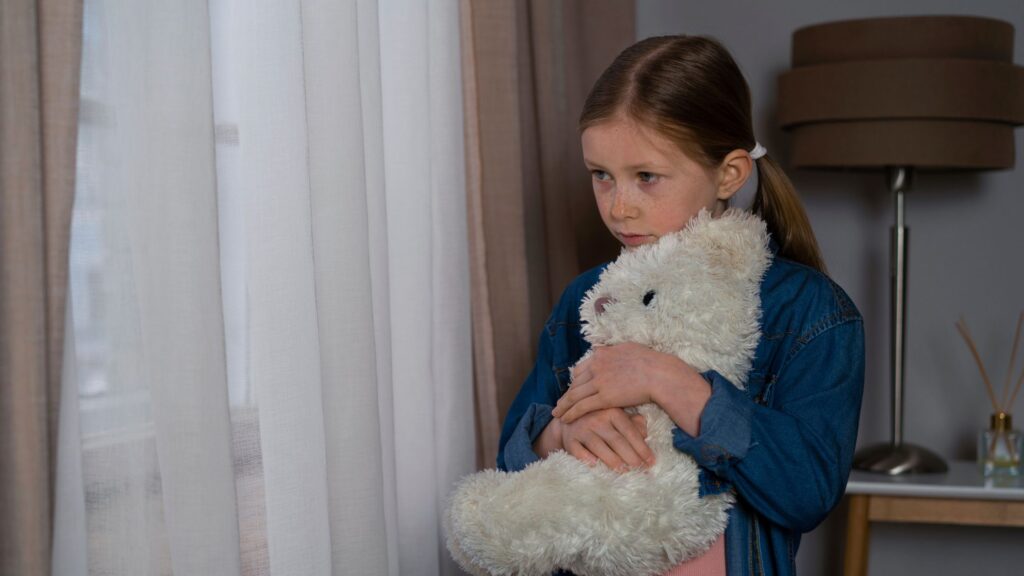
3. Fear of Certain People or Places
A child who suddenly shows fear toward a specific person, caregiver, or location might be signaling distress. If you notice that a child abused refuses to be left alone with someone, avoids eye contact, or becomes anxious at the mention of a particular place, this behaviour should not be ignored. Trust what you observe, even if the child does not openly explain the reason for their fear.
Often, children may not have the words to describe what they feel, but their actions reveal the truth. Paying attention to these reactions can help uncover hidden dangers.
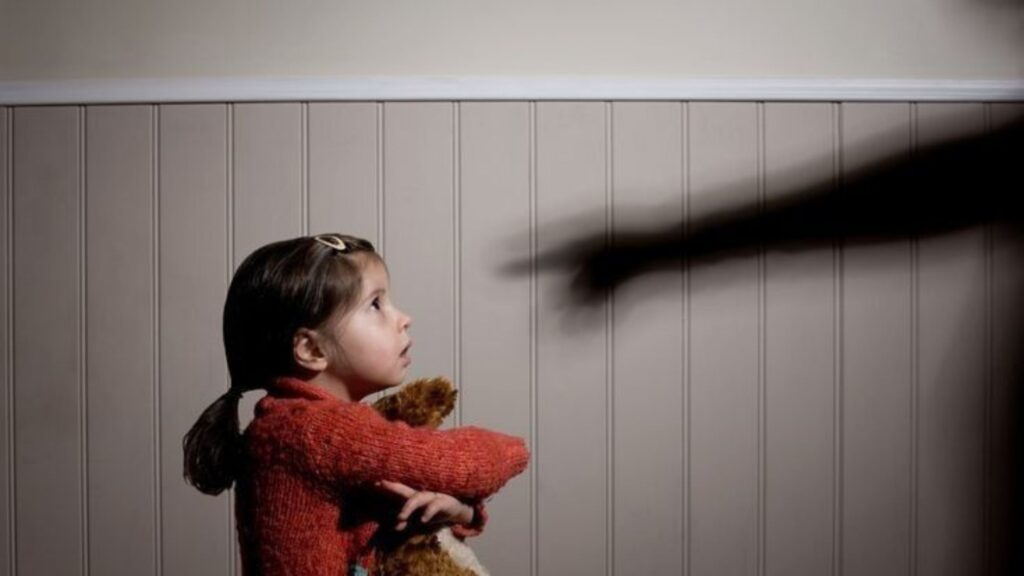
4. Decline in School Performance or Attendance
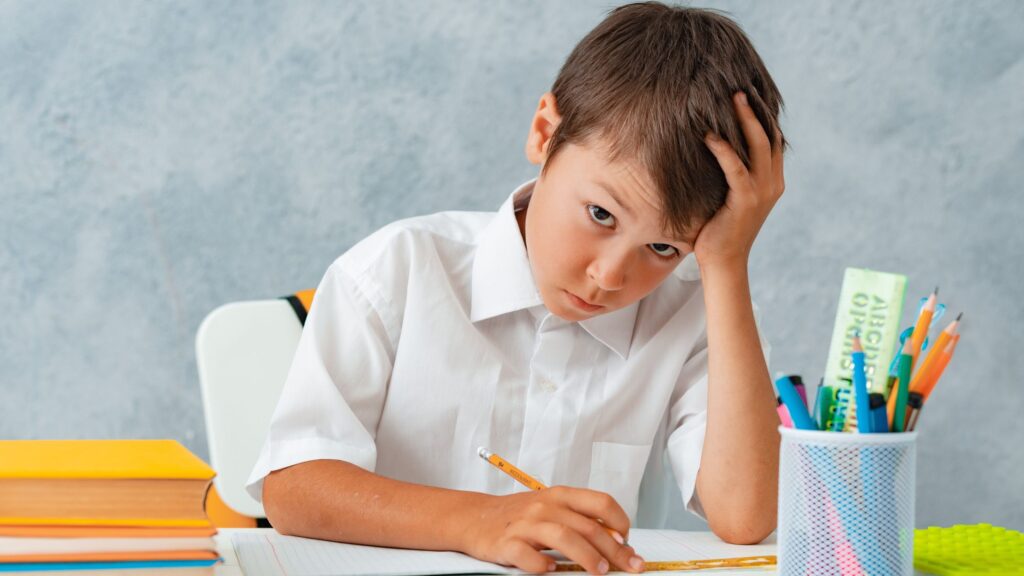
A noticeable drop in grades or sudden loss of interest in school can be more than just a learning issue. Children facing child abuse often have trouble concentrating and may start skipping classes to avoid situations linked to their struggles. Teachers, parents, and caregivers should see frequent absences, falling behind academically, or changes in attitude toward school as possible signs of a larger problem. Addressing these changes early can provide the child with much-needed support.
When school performance shifts suddenly, it often reflects issues outside the classroom. Taking action quickly can prevent long-term harm to their confidence and future.
5. Withdrawal From Friends and Family
Children who are child abuse often isolate themselves from those around them. If a child begins avoiding social activities, spending long hours alone, or stops interacting with family and peers, you should take it seriously. This kind of isolation is often their way of coping with what they cannot express. Encouraging open communication and creating a safe space for them to share can help you understand what they are going through.
Isolation is more than just shyness; it can be a cry for help and a possible sign of child abuse. Reaching out with patience and warmth can make them feel less alone and more supported.
Why Paying Attention Matters
You don’t need to be a professional to recognize the signs of child abuse. By being observant and caring, you can play a role in protecting children in your community. The earlier child abuse is identified, the sooner a child can receive the care and support they need. Children may not always speak up, but their actions, emotions, and physical well-being often speak for them.
When you see any of these warning signs, don’t dismiss them. Start with small steps: listen without judgment, offer reassurance, and reach out to trusted professionals or child protection services if needed. Your response can change a child’s life.
Every child deserves safety and respect. By being alert and acting with care, you can help ensure the children around you have the chance to grow up free from harm.