

Preventing child abuse starts with awareness and action. Every child deserves to grow up in a safe and nurturing environment, but this cannot happen without active involvement from the people around them. Whether you are a parent, teacher, neighbor, or community leader, you can make a difference by recognizing the signs of abuse, supporting families, and creating a culture where children are protected. Here are five effective ways you can help prevent child abuse in your community.
1. Educate Yourself and Others About Child Abuse
Many people still misunderstand what child abuse looks like. It is not limited to visible injuries, it can be emotional, verbal, or even neglect. The more you know about the signs, the faster you can step in when a child is in danger. Learn the physical signs such as unexplained bruises, burns, or frequent injuries, and emotional signs like sudden withdrawal, fearfulness, or drastic changes in behavior.
Once you are informed, share that knowledge. Hold awareness workshops at schools, community centers, and parent groups. Distribute resources from reputable organizations that explain what abuse is, how to spot it, and where to report it. When more people understand the warning signs, abuse becomes harder to hide.

2. Support Parents and Caregivers
Parenting is challenging, and stress can make it even harder for caregivers to provide a safe environment. Community support can ease the pressure and reduce the risk of neglect or harm. Offer practical help such as babysitting, meal support, or transportation for busy parents.
You can also organize parenting classes or invite child development experts to speak about positive discipline, stress management, and healthy communication. When caregivers feel supported, they are less likely to become overwhelmed or resort to harmful behaviors. Creating a network of support helps children and strengthens families as a whole.
3. Create Safe Spaces for Children
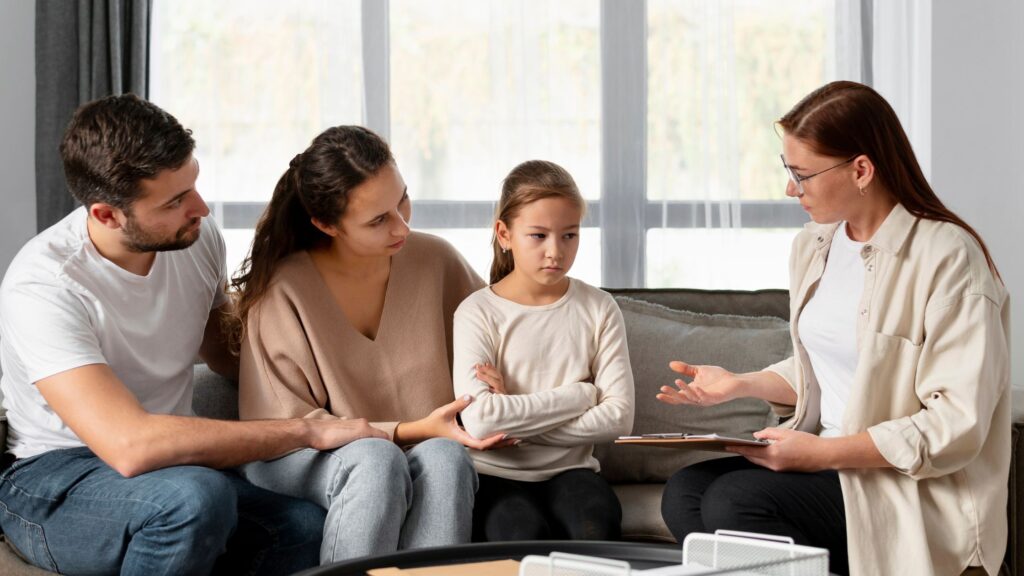
Children need places where they feel secure, respected, and listened to. Schools, sports clubs, and community programs can act as protective environments by setting clear policies against abuse and training staff to follow them.
Safe spaces also mean giving children trusted adults to talk to. Encourage open communication so kids know they can speak up if something is wrong. Programs like mentorship initiatives, after-school clubs, or youth centers can provide both supervision and emotional support. The more positive adult influences a child has, the less vulnerable they are to abuse.
4. Speak Up When You Suspect Abuse
One of the most effective ways to stop abuse is to report it. If you notice signs that a child abuse might be in danger, do not ignore them. Contact child protective services, local authorities, or a trusted organization that handles child abuse cases.
Reporting can feel intimidating, but it is better to be cautious and wrong than to stay silent while a child suffers. You do not need proof to make a report, trained professionals will investigate and determine what action is needed. Remember, your voice could be the one that saves a child’s life.

5. Promote a Culture of Prevention
Preventing child abuse is not just about reacting to problems, it is about creating a community where abuse has no place to begin with. This means teaching children their rights from a young age, including their right to say no to unwanted physical contact and their right to speak up if they feel unsafe.
It also means challenging harmful attitudes and behaviors in adults. Speak out against jokes, comments, or actions that minimize abuse or normalize violence. Encourage kindness, empathy, and respect in everyday interactions. When prevention is built into the values of a community, it becomes harder for abuse to occur undetected.

Why Your Role Matters
Child abuse prevention is not only the responsibility of professionals or parents, it is a shared duty. Children are safer when the people around them stay alert, act quickly, and work together to create a secure environment. Every small step you take can contribute to a larger impact.
By educating yourself, supporting caregivers, creating safe spaces, speaking up, and promoting prevention, you are helping to build a future where children can grow without fear. Protecting children means investing in the wellbeing of the entire community. It is a responsibility we cannot afford to ignore.